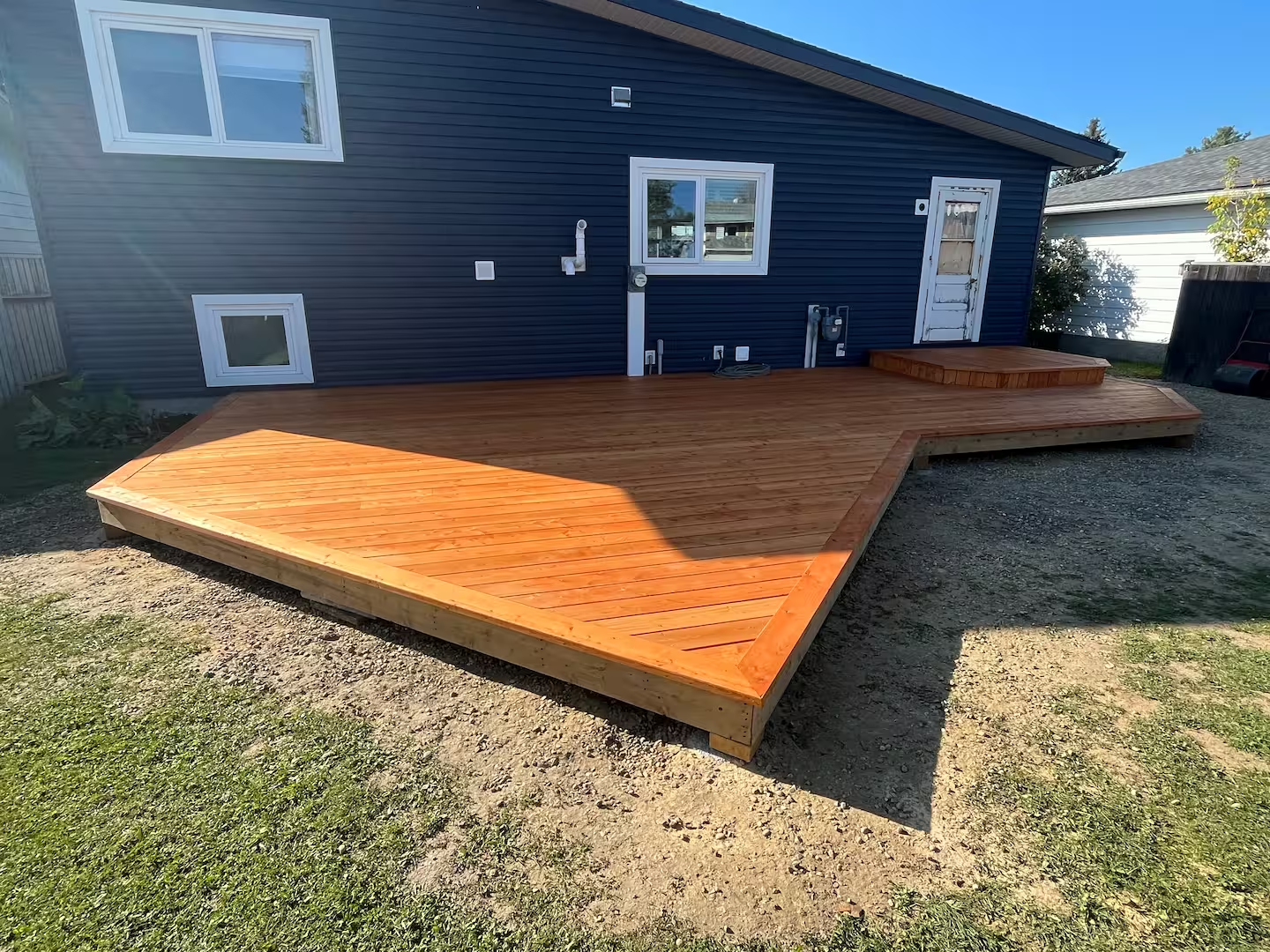
Outdoor structures built to handle Alberta winters and still look right in year ten.
Alberta's freeze-thaw cycle is unforgiving on outdoor structures. A deck built on undersized footings will move, and once it moves, the stairs, the railings, and the ledger connection all start to go with it. The structure underneath is what determines whether a deck is still solid a decade later.
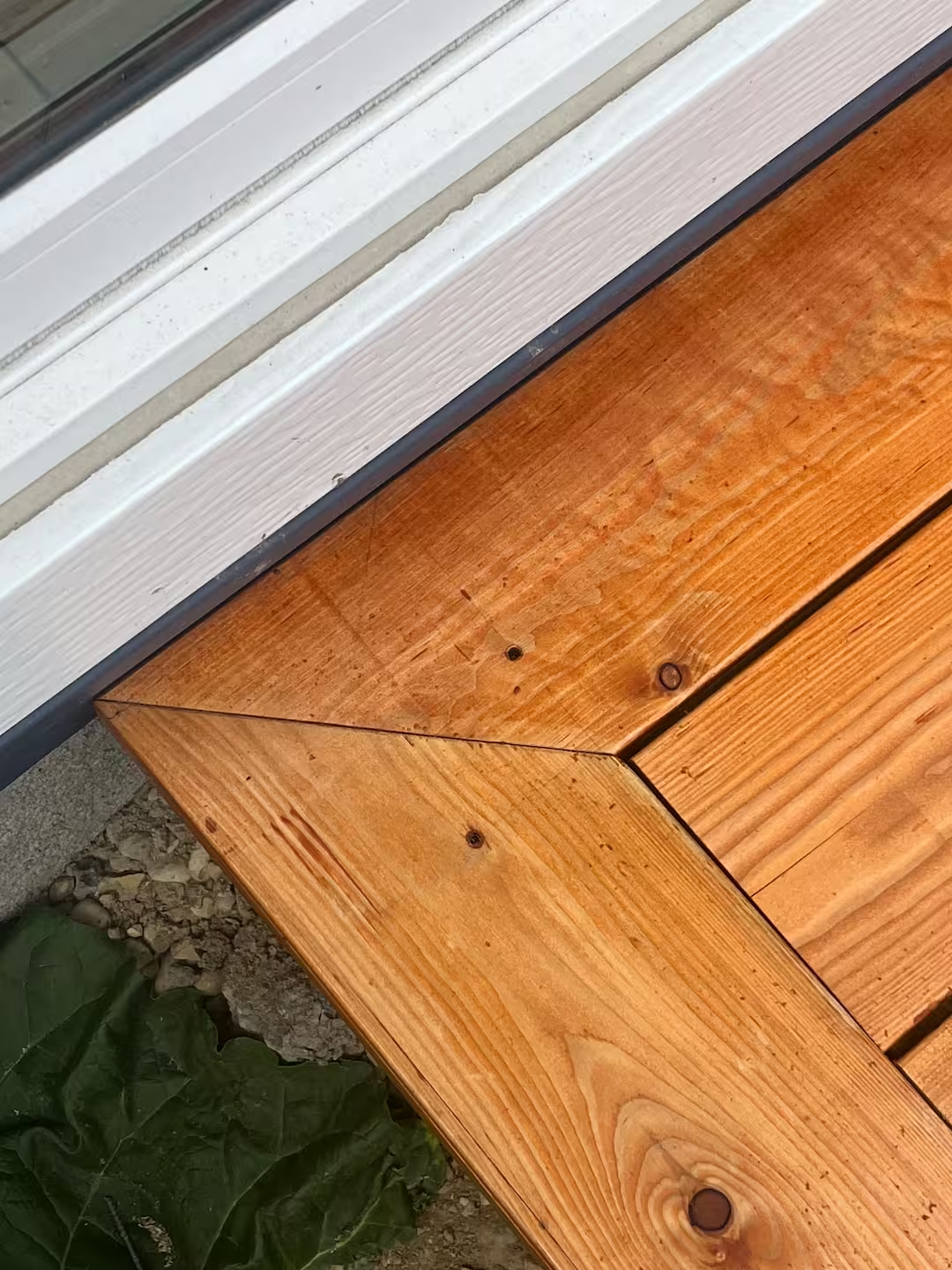
We build decks the same way we frame houses — properly sized footings below the frost line, correct ledger attachment and flashing, and railings built to code rather than to whatever looks close enough. The material choice is yours; the structure is not negotiable.
We also build fences and privacy screens, which sound simple until the first winter heaves a poorly set post. Same principle applies: get what is underground right and the part you can see takes care of itself.
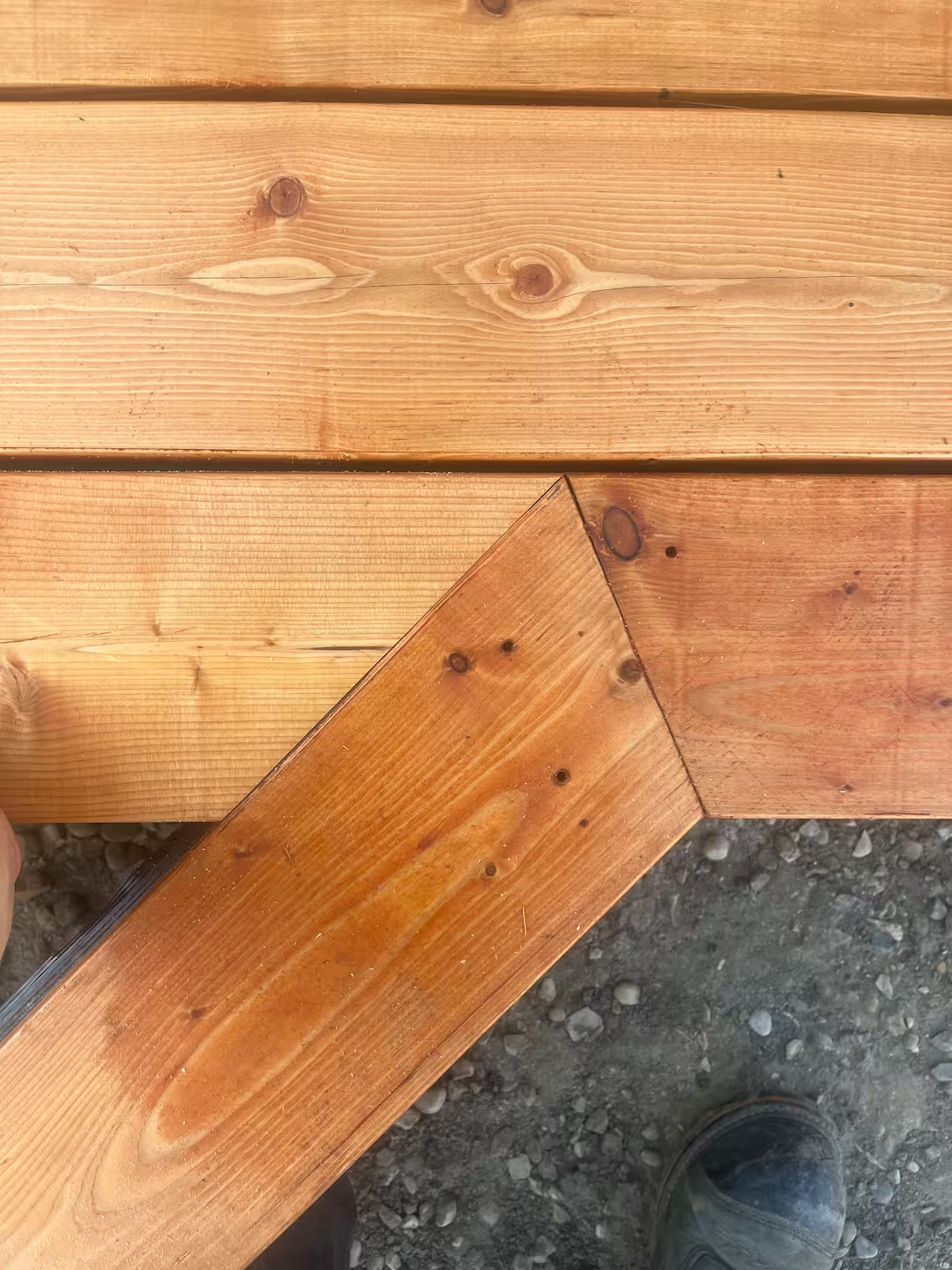
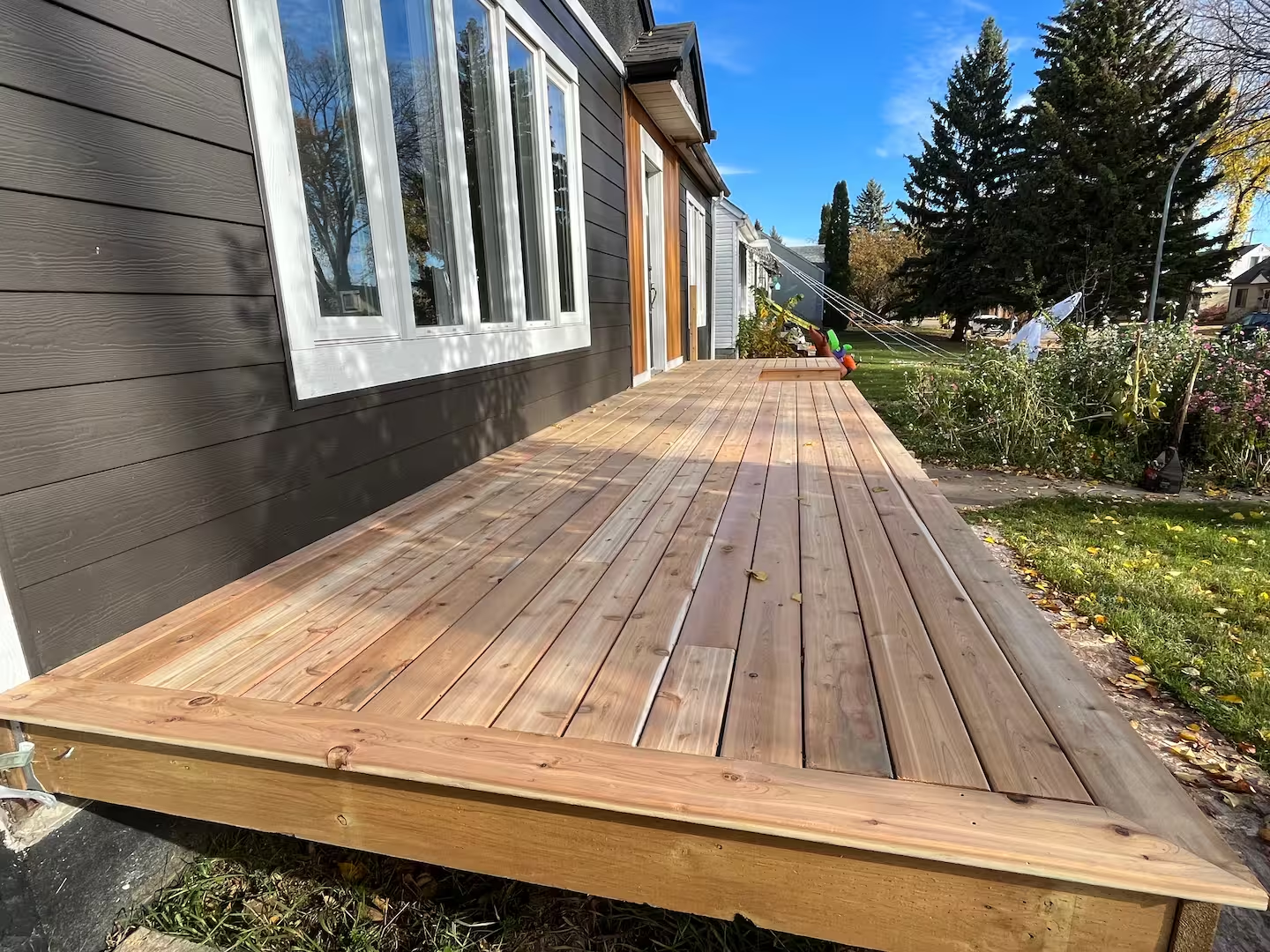
Cedar, pressure-treated, and composite decks sized and shaped to the yard.
Property-line fencing and privacy screening set to survive the freeze-thaw cycle.
The code-driven details that most deck problems eventually trace back to.
In Edmonton, decks above a certain height generally require a building permit, and fences have height restrictions that vary by property and location on the lot. What applies to a specific deck or fence is worth confirming before building.
Cedar looks and feels better and costs less up front, but needs maintenance. Composite costs more initially and needs almost none. Both work well here — it comes down to how much upkeep you want to sign up for.
Deck season books up early in Edmonton. If you want the deck usable for summer, the conversation should be happening well before the snow is gone.
Thinking about the yard this year?
Let's talk about what you want out there and what it takes to build it right.
Get in Touch